Few objects in athletic history have sparked as much debate, admiration, and scientific curiosity as a pair of running shoes that weigh less than a bar of soap. When Eliud Kipchoge crossed the finish line in under two hours during the 2019 INEOS 1:59 Challenge, the world didn’t just celebrate a human triumph—it scrutinized the footwear that helped make it possible. These record-shattering shoes, tipping the scales at under 200 grams, have become symbols of innovation, controversy, and the blurred line between human potential and technological enhancement.
They’re not just light. They’re engineered to propel.
The Weight That Changed Everything
A standard bar of soap weighs between 90 and 130 grams. The latest elite marathon racing shoes—like the Nike ZoomX Vaporfly NEXT% and its successors—hover just above that, with some models dipping to 180 grams for a men’s size 9. That’s not just impressive; it’s transformative.
Runners used to accept trade-offs: more cushioning meant more weight, more durability meant less responsiveness. These new-gen shoes broke that compromise. They’re feather-light yet packed with energy return, thanks to advanced materials and aerodynamic design.
Take the Adidas Adizero Adios Pro 3. Weighing in at 198 grams, it uses Lightstrike Pro foam and a carbon-infused EnergyRods system. Or the Saucony Endorphin Pro 3—195 grams, with a full-length Pwrrun PB midsole and a carbon plate. These aren’t just shoes; they’re biomechanical tools.
Why weight matters: Every 100 grams added to a shoe increases oxygen consumption by roughly 1%. Over 42.195 kilometers, that inefficiency accumulates. Lighter shoes mean less energy spent lifting, more conserved for speed and endurance.
But lightness alone doesn’t break records.
The Anatomy of a Record-Shattering Shoe
What makes these shoes so effective isn’t just their weight—it’s how that minimal mass is structured.
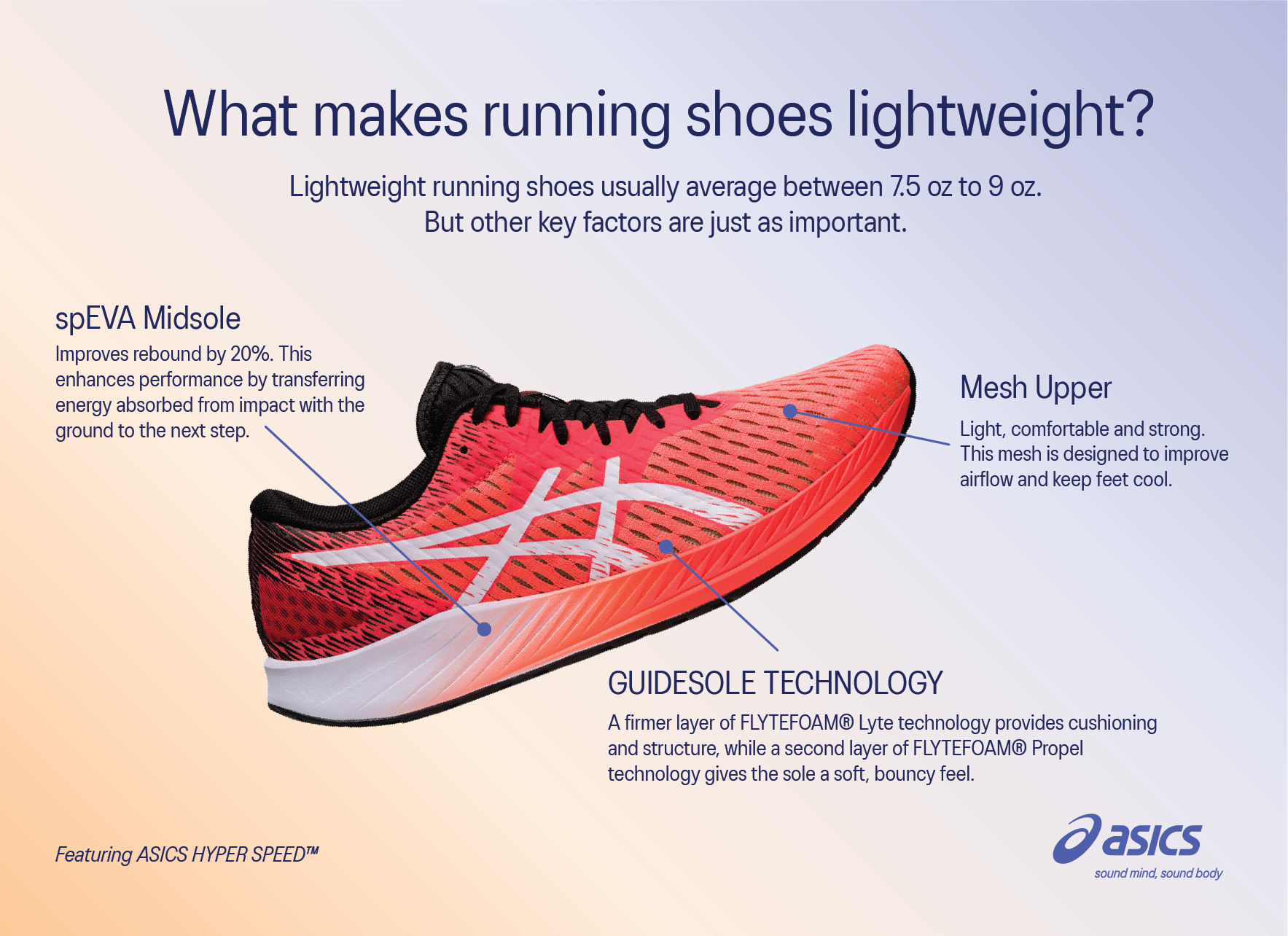
#### 1. Carbon Fiber Plates: The Spring in the Step Embedded within the midsole, a curved carbon fiber plate acts like a rigid leaf spring. It reduces ankle flexion, stores energy during footstrike, and releases it at toe-off. The result? A propulsive sensation runners describe as “bouncing off the ground.”
#### 2. Ultra-Responsive Foams Traditional EVA foam has been replaced by supercritical foams like Nike’s ZoomX, Adidas’ Lightstrike Pro, and Puma’s Nitro Elite. These materials are 85%+ energy return efficient—meaning most of the energy from each stride is recycled forward.
#### 3. Strategic Geometry The shoes are designed with a pronounced rocker shape. This encourages a smooth heel-to-toe transition, reducing braking forces and keeping the runner in motion. The upper is made from engineered mesh—minimal, breathable, and welded rather than stitched to cut weight.
Together, these features create what researchers call the “triple threat”: reduced energy cost, increased stride efficiency, and delayed fatigue.
The Science Behind the Speed
In 2017, a study published in Sports Medicine analyzed Nike’s prototype Vaporfly shoes and found they improved running economy by 4% compared to other racing flats. That might sound small—until you realize a 4% gain over a marathon is the difference between a 2:05 and a 1:57 finish.
Follow-up studies confirmed similar gains across brands using comparable tech. The consensus? These shoes provide a measurable performance edge—enough to influence race outcomes at elite levels.
But the real-world impact is even starker.
- At the 2022 Berlin Marathon, 73% of male finishers in the top 10 wore Vaporfly-style shoes.
- In the 2023 Boston Marathon, every women’s podium finisher used a super-shoe with a carbon plate and high-stack foam.
- Over 90% of sub-2:10 marathon performances since 2018 were achieved in one of three models: Vaporfly, Adios Pro, or Endorphin Pro.
This isn’t coincidence. It’s optimization.
Controversy: Are We Racing Shoes or Runners?
Not everyone celebrates the rise of the “super shoe.” Critics argue that record-breaking performances today are as much about footwear as fitness.
In 2020, World Athletics introduced regulations limiting sole thickness (40mm max) and restricting the number of embedded plates. Why? To prevent an “arms race” in shoe tech that could undermine the integrity of competition.
Still, the rules allow enough innovation for brands to push boundaries. The line between assistance and augmentation is fuzzy.
The debate breaks down like this: - Pro-tech view: All sports evolve with equipment. Tennis rackets, swimsuits, bicycles—all have advanced. Running shoes are no different. - Purist view: When a shoe can contribute a 3–4% performance boost, it risks making the athlete secondary to the gear.
But for most runners, the controversy is academic. What matters is access.
Who Benefits Beyond the Elite?
You don’t need to run a sub-2 marathon to gain from these innovations. Recreational runners are seeing real benefits:
- Faster race times: A 5% improvement in running economy can shave 10–15 minutes off a 4-hour marathon.
- Reduced fatigue: The rocker geometry eases strain on calves and Achilles tendons, especially in the final kilometers.
- Injury mitigation: By smoothing gait cycles and reducing impact, these shoes may lower overuse injury risk—though research is still emerging.
Consider Sarah, a 38-year-old runner from Denver. After switching to the Saucony Endorphin Speed 3, her half-marathon time dropped from 1:52 to 1:44. “They don’t feel like shoes,” she says. “They feel like they’re helping me move.”
But there’s a caveat: these shoes are race-day tools, not daily trainers.
How to Use Them Effectively
Lightweight race shoes are high-performance instruments. Misuse leads to disappointment—or injury.
Common mistakes: - Using them for long training runs: The minimal upper and aggressive stack aren’t built for 18-mile long runs. They lack durability and support for daily use. - Ignoring transition time: Moving from traditional trainers to super shoes requires adaptation. Sudden use can strain calves or plantar fascia. - Overestimating benefits: These shoes enhance efficiency, but they don’t replace fitness. A 3:30 marathoner won’t suddenly run 2:45 without the base.
Best practices: - Reserve them for races, tempo runs, and goal-paced workouts. - Gradually introduce them—start with 30-minute pickups, then build duration. - Pair them with good form and strong glutes/hamstrings to maximize propulsion.
Think of them like Formula 1 tires: blistering fast, but only under the right conditions.
Leading Models That Redefine Lightness
These five shoes represent the cutting edge of lightweight, record-capable design:
| Model | Weight (Men’s US9) | Key Tech | Best For |
|---|---|---|---|
| Nike ZoomX Vaporfly NEXT% 3 | 188g | ZoomX foam, full-length carbon plate | All-around race day dominance |
| Adidas Adizero Adios Pro 3 | 198g | Lightstrike Pro, EnergyRods 2.0 | Fast marathons, warm conditions |
| Saucony Endorphin Pro 4 | 195g | Pwrrun PB, S-curve carbon plate | Smooth transitions, high mileage |
| New Balance FuelCell SC Elite v4 | 196g | FuelCell foam, carbon plate | Wide forefoot, neutral runners |
| Puma Deviate Nitro 2 Elite | 210g | Nitro Elite foam, carbon plate | Budget-friendly speed |
All weigh less than a bar of soap—when you consider larger sizes, they’re slightly over, but still astonishingly light for their capabilities.
The Future Is Lighter—And Smarter
What’s next? We’re moving beyond passive materials into active systems.
Prototypes are emerging with: - Adaptive foam that stiffens or softens based on pace and terrain - Kinetic energy harvesters that store and release power mid-stride - 3D-printed custom midsoles tailored to individual biomechanics
Nike’s ISPA Link collection already shows how modular, repairable, and ultra-light design can coexist. And while those aren’t race shoes yet, the principles apply.
Expect future models to drop below 170 grams without sacrificing performance—crossing fully into “lighter than soap” territory even in larger sizes.
Final Step: Choose Smart, Run Faster
The shoes that shattered marathon records aren’t magic. They’re the product of obsessive engineering, biomechanical research, and a single goal: reduce the energy cost of moving forward.
If you’re racing, training seriously, or chasing a personal best, these lightweight marvels are worth considering—not as shortcuts, but as tools to amplify your effort.
Start by testing one in key workouts. Measure your pace, perceived exertion, and recovery. See if they help you move with less resistance.
Because in the end, the best shoe isn’t the lightest one. It’s the one that helps you go farther, faster, and stronger—without weighing you down.
FAQ
Are carbon plate shoes worth it for amateur runners? Yes, if used correctly. They can improve running economy and race times, especially in distances from 10K to marathon.
Do lighter shoes increase injury risk? They can, if introduced too quickly or used for long daily runs. Always transition gradually and respect their race-day purpose.
How long do these shoes last? Typically 150–200 miles. The foam degrades faster than in training shoes, so reserve them for key sessions.
Can I use super shoes for daily training? Not recommended. Their lightweight construction lacks the durability and support needed for high weekly mileage.
Do all elite marathoners wear Vaporflies? Most wear some version of a super shoe, though brands like Adidas, Saucony, and Puma have strong elite rosters too.
Why are these shoes so expensive? Advanced materials (ZoomX, Lightstrike Pro), R&D costs, and low-volume manufacturing drive prices, often $250+.
Will future running shoes break the 1:55 marathon barrier? Possibly. With continued footwear innovation and elite training advances, it’s within reach—though the athlete remains the engine.
FAQ
What should you look for in Lighter Than a Bar of Soap – The Shoes That Broke Marathon Records? Focus on relevance, practical value, and how well the solution matches real user intent.
Is Lighter Than a Bar of Soap – The Shoes That Broke Marathon Records suitable for beginners? That depends on the workflow, but a clear step-by-step approach usually makes it easier to start.
How do you compare options around Lighter Than a Bar of Soap – The Shoes That Broke Marathon Records? Compare features, trust signals, limitations, pricing, and ease of implementation.
What mistakes should you avoid? Avoid generic choices, weak validation, and decisions based only on marketing claims.
What is the next best step? Shortlist the most relevant options, validate them quickly, and refine from real-world results.