Peter Molyneux is a name etched into gaming history — not just for his genius, but for the wreckage left behind when ambition outpaced reality. From Populous to Fable, his vision shaped genres. But behind the hype, a trail of shattered expectations and financial losses remains. This isn’t just about broken promises; it’s about the real people — investors, developers, backers — who paid the price.
His legacy isn’t solely defined by innovation. It's equally marked by grand claims that never materialized, crowdfunding campaigns that fizzled, and studios that collapsed under the weight of their own overpromises. The true cost? Measured not in code, but in trust — and cold, hard cash.
Here’s who lost big when Molyneux’s dreams failed to deliver.
The Crowdfunding Backers Who Bet on “Curiosity”
In 2012, Molyneux launched Curiosity – What’s Inside the Cube? — a mobile experiment disguised as art. Players tapped on a digital cube, layer by layer, to uncover a secret. The prize? $1 million to the person who opened the final layer.
It sounded revolutionary. Over 1 million players joined. But behind the scenes, the economics were deeply flawed.
The app was monetized through in-app purchases — each “power tap” costing real money. Many users spent hundreds, even thousands, trying to be the one to crack the cube. When the prize was awarded, it wasn’t the million-dollar windfall expected. The winner, Bryan Henderson, received a fraction — a contract to create future games with Molyneux’s startup, 22cans.
“I thought it was a million dollars. I didn’t realize it was a job offer.” – Bryan Henderson, winner of Curiosity
Backers felt misled. They’d invested time, money, and emotional capital into a game built on a promise that evaporated upon fulfillment. The backlash was swift, and trust in Molyneux’s word began to erode.
Indie Developers Who Signed with 22cans
After leaving Lionhead Studios — the studio behind Fable — Molyneux founded 22cans to “reinvent gaming.” He envisioned player-driven worlds, AI evolution, and emergent narratives. The pitch attracted talent.
Several indie developers left stable jobs to join 22cans, lured by Molyneux’s reputation and promises of creative freedom. But the reality was different.
Projects stalled. Godus, the studio’s flagship title, launched in Early Access in 2013 with a promise of god-game mechanics on par with Populous — but on steroids. Instead, players got a buggy, bare-bones prototype.
Developers inside the studio reported chaotic workflows, shifting goals, and unsustainable pressure. One former employee described it as “building a plane while flying it — and the blueprints keep changing.”
By 2017, 22cans had laid off most of its staff. The team shrank from over 20 to just a handful. For those who bet their careers on Molyneux’s vision, the cost was steep — lost years, broken momentum, and tarnished portfolios.
Investors Who Funded the Godus Gamble
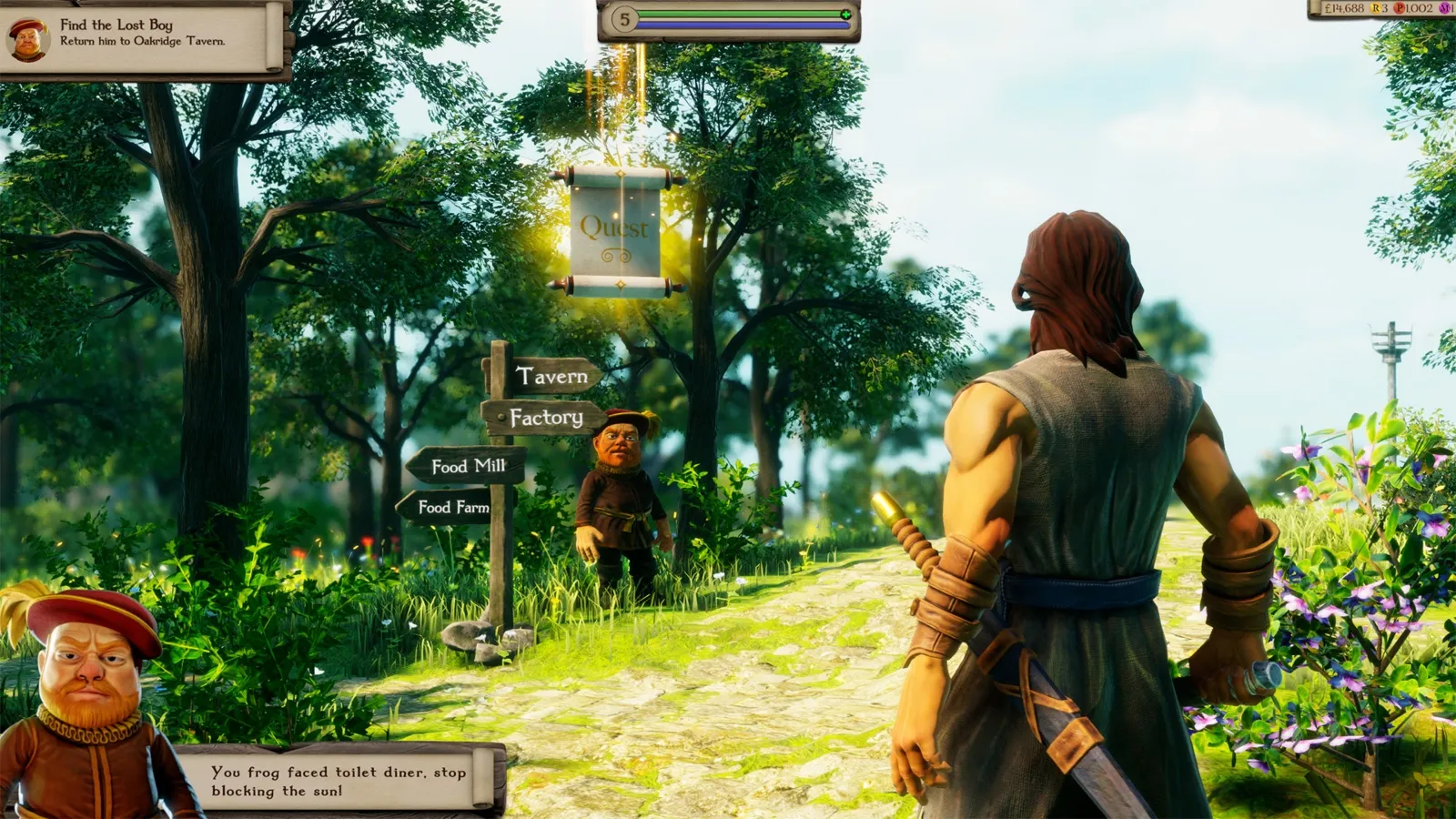
Godus raised over $800,000 on Kickstarter in 2012 — one of the most successful game crowdfunding campaigns at the time. Backers weren’t just fans; many were investors hoping to capitalize on Molyneux’s return to form.
They were promised:
- A fully dynamic world shaped by players
- Multiplayer civilizations with evolving societies
- “Genetic memory” affecting gameplay across sessions
- VR integration and mobile sync
Five years later, none of these features fully materialized.
Despite over $1 million in total revenue, Godus failed to meet commercial or critical expectations. The game never left Early Access in any meaningful sense. Updates slowed to a crawl. The multiplayer mode was quietly abandoned.
Investors saw no return. The game didn’t scale. The studio didn’t pivot successfully. And Molyneux’s credibility — once a marketable asset — became a liability.
One venture capitalist who advised against investing in 22cans later said: > “We didn’t doubt his passion. We doubted his delivery. History proved us right.”
Mobile Players Who Paid for Broken Systems
Godus Wars, the mobile spin-off, launched in 2016 with aggressive monetization. Players could buy “believers,” “miracles,” and “time savers” — all essential to progress.
But the core loop was broken. Matches lasted hours. Progress was non-transferable between devices. And the promised cross-platform sync — a cornerstone of the original Kickstarter — never worked reliably.
Thousands of mobile players spent money on in-app purchases, only to find their progress wiped during updates or server migrations. Customer support was nonexistent.
One Reddit user wrote: > “I spent $300 on Godus Wars. Lost everything when I switched phones. No recovery. No apology. Just silence.”
These weren’t whales chasing status — many were mid-tier spenders lulled by Molyneux’s name. They expected polish. They got a beta with a price tag.
The Publishers Who Walked Away Empty-Handed
Before Godus, Molyneux had a golden reputation with publishers. EA, Microsoft, and Sony had backed his projects for years. But that trust didn’t survive the 22cans era.
When Godus underperformed, publishers who might have stepped in to rescue or distribute the game stayed away. The damage to Molyneux’s credibility was too great.
One industry insider noted: > “Publishers don’t bet on personalities anymore. They bet on track records. And Molyneux’s track record post-Lionhead was… inconsistent.”
Even when 22cans tried to pivot to blockchain-based games in 2021 with Legacy, the reception was icy. The gaming world had learned: Molyneux’s promises were no longer bankable.
What Went Wrong? The Pattern Behind the Losses
The financial losses are quantifiable. But the deeper issue lies in a recurring pattern:
/cdn.vox-cdn.com/uploads/chorus_image/image/70269281/112379621.0.jpg)
- Overpromising in public — Molyneux has a habit of describing features years before they’re feasible.
- Lack of scope control — Projects balloon beyond the team’s capacity.
- Reliance on hype over execution — Marketing outpaces development.
- Misaligned incentives — Crowdfunding creates false urgency without accountability.
This isn’t unique to Molyneux. But few have fallen from such heights so publicly.
Compare this to studios like Mojang or Devolver Digital — they underpromise, overdeliver, and build trust over time. Molyneux did the opposite.
Lessons for Gamers and Creators Alike
If you’re a backer, here’s what to watch for:
- Vague roadmaps — If a dev says “AI will evolve the world!” but can’t explain how, be skeptical.
- Celebrity-driven campaigns — Big names don’t guarantee delivery.
- No playable demo — Fund prototypes, not PowerPoints.
- Disappearing updates — Radio silence after funding is a red flag.
For developers, the lesson is equally sharp: Vision matters, but so does shipping. No one remembers the dream — only what shipped.
Molyneux’s brilliance is undeniable. But brilliance without delivery becomes performance art — expensive, emotional, and ultimately unsatisfying.
The Human Cost of Hype
Behind every failed feature, there’s a story:
- The student who maxed out a credit card on Godus IAPs.
- The artist who left AAA to join 22cans, only to freelance for years after the layoff.
- The investor who wrote off six figures as a “learning experience.”
These aren’t footnotes. They’re the real cost of a legacy built on smoke and mirrors.
Molyneux still believes in big ideas. His 2023 project, Legacy, attempts to merge blockchain with god-game mechanics. But few are buying in — literally or figuratively.
The players who lost money on his failed legacy aren’t just victims of bad luck. They were casualties of a system that values vision over verification, charisma over consistency.
Move Forward — But Don’t Forget
Peter Molyneux helped shape modern gaming. That won’t be erased. But neither will the damage done by broken promises.
If you’re funding a game, playing a beta, or joining a startup, ask hard questions. Demand transparency. Respect the past.
Because in gaming — as in life — trust is earned slowly, lost quickly, and rarely regained.
FAQ
Who funded Peter Molyneux’s 22cans studio? 22cans was primarily funded through Kickstarter (Godus) and private investments, including early backing from Molyneux himself and undisclosed angel investors.
Did anyone actually win money from Curiosity? The winner received a contract to work with 22cans, not the $1 million many assumed. No cash prize was awarded.
Why did Godus fail to deliver on its promises? Scope creep, technical limitations, team turnover, and lack of publisher oversight led to unmet features and stalled development.
How much money did Godus make? The game raised over $800,000 on Kickstarter and reportedly earned over $1 million in total revenue, but failed commercially.
Is Peter Molyneux still making games? Yes, he’s working on Legacy, a blockchain-based god game, though it’s received skepticism due to past failures.
What happened to the 22cans team? Most were laid off by 2017. The studio now operates with a minimal team focused on Legacy.
Can you trust crowdfunding campaigns from famous developers? Not automatically. Always check development progress, team history, and update frequency before backing.
FAQ
What should you look for in The Players Who Lost Big on Peter Molyneux’s Broken Promises? Focus on relevance, practical value, and how well the solution matches real user intent.
Is The Players Who Lost Big on Peter Molyneux’s Broken Promises suitable for beginners? That depends on the workflow, but a clear step-by-step approach usually makes it easier to start.
How do you compare options around The Players Who Lost Big on Peter Molyneux’s Broken Promises? Compare features, trust signals, limitations, pricing, and ease of implementation.
What mistakes should you avoid? Avoid generic choices, weak validation, and decisions based only on marketing claims.
What is the next best step? Shortlist the most relevant options, validate them quickly, and refine from real-world results.