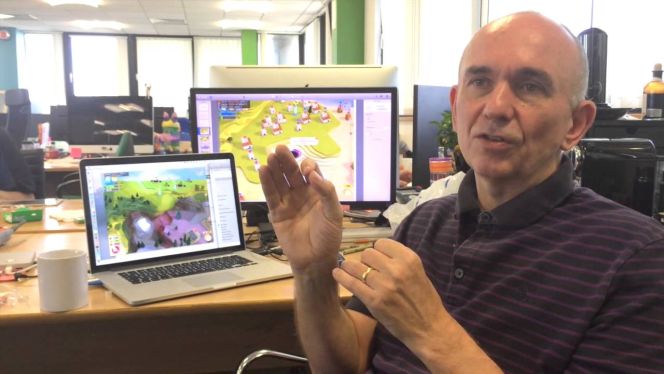
Peter Molyneux is a name synonymous with bold vision and broken expectations. A celebrated designer behind genre-defining titles like Populous, Black & White, and Fable, Molyneux built a reputation not just for innovation—but for overpromising. When he left Microsoft and Lionhead Studios, fans expected another revolution. What they got instead was a trail of disillusioned backers, failed crowdfunded projects, and financial losses that hit everyone from indie developers to casual gamers who believed in the dream.
The real cost of Molyneux’s legacy isn’t just in unfinished games—it’s in the people who lost real money, time, and trust.
The Rise and Fall of a Visionary
Molyneux’s career arc reads like a Silicon Valley tech founder’s: meteoric rise, cult-like following, grand promises, and a slow descent into skepticism. At Lionhead Studios, he delivered on some promises—but always with a caveat. Fable was revolutionary in narrative choice, but its execution fell short of the “living world” he described. Still, the industry forgave him. His passion was infectious.
But after Lionhead’s closure in 2016, Molyneux launched 22Cans, a small indie studio backed by Kickstarter and investor faith. That’s where the cracks began to show—and where real financial damage started piling up.
Curiosity: What’s Inside the Cube? And Who Paid For It?
In 2012, Molyneux launched Curiosity – What’s Inside the Cube?, a mobile app that challenged users to tap away layers of a virtual cube. The final layer promised a “life-changing” secret, revealed only to the person who made the final tap.
Over 3 million players participated. The winner, a 20-year-old student from Wales, received a video message from Molyneux describing a future game—The Trail—and an invitation to consult on it. That was it.
But the damage wasn’t just emotional. Players spent real money on “power tools” to speed up their tapping. Some users reportedly spent hundreds, even thousands, of dollars buying in-app boosts, chasing a prize that turned out to be vaporware.
Who lost? - Casual gamers chasing a digital treasure hunt - Parents whose children made in-app purchases unknowingly - Investors who saw Curiosity as proof of Molyneux’s new monetization model
The game generated an estimated $1.5 million in revenue. But instead of building trust, it became a case study in manipulative design—offering grand rewards with no tangible payoff.
Godus: The Kickstarter That Never Delivered
If Curiosity was controversial, Godus was catastrophic.
Launched in 2012 on Kickstarter, Godus raised over $900,000 from 16,000 backers. Pitched as a spiritual successor to Populous, it promised god-simulation gameplay with permanent world changes, multiplayer conflict, and emotional AI followers. The trailer showed lush landscapes, evolving civilizations, and divine intervention in real time.
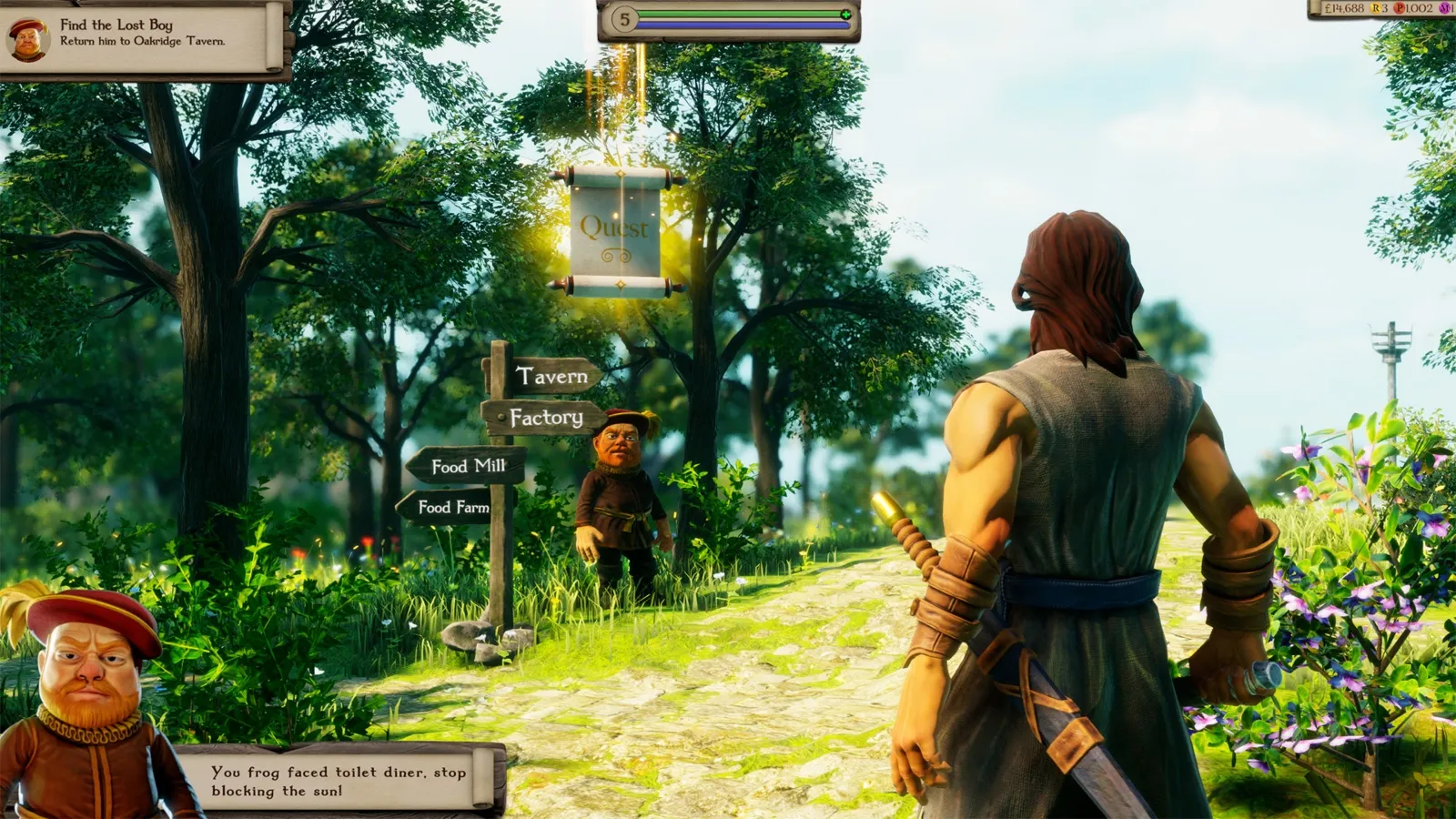
Five years later, backers received a stripped-down, single-player pixel art game with no multiplayer, no AI depth, and none of the promised features.
What Backers Were Promised vs. What They Got
| Feature Promised | Final Product Reality |
|---|---|
| Multiplayer god battles | Never implemented |
| Permanent world changes | Reset after each session |
| Emotional AI followers | Static, robotic units |
| Cross-platform play | PC only, limited updates |
| Regular content drops | Updates slowed to a crawl |
The gap wasn’t just technical—it was ethical. Molyneux admitted in 2017 that he “hated” the process of delivering Godus, blaming team limitations and scope. But for backers, that explanation came too late.
The Human Cost: Testimonies from Backers
- Mark R., UK developer: “I backed Godus at the $100 tier expecting early access and design input. I never got either. The updates were vague, the team unresponsive. I felt scammed.”
- Lena T., U.S. gamer: “I supported it because I loved Populous. When I finally got the game, it felt like a mobile freemium app, not a PC masterpiece.”
- Alex P., indie studio founder: “We studied Godus’s campaign as a model for our own Kickstarter. It taught us what not to do—don’t overpromise, don’t disappear.”
These aren’t just complaints. They’re stories of eroded trust in crowdfunding.
The Silent Losers: Developers at 22Cans
Behind every failed game are teams of developers working long hours for uncertain outcomes. At 22Cans, employees joined with excitement—only to face shifting goals, burnout, and public scrutiny.
A former developer, speaking anonymously, described the culture at 22Cans as “chaotic.” “Peter had a new idea every week. We’d build something for months, then scrap it because he saw a tweet that changed his mind.”
Another source said the Godus team was under-resourced from the start. “We were 8 people trying to build what sounded like an MMO. Of course it failed.”
These developers didn’t lose money directly—but they lost careers, credibility, and morale. Some left the industry entirely.
Investors Who Bet on the Brand
Molyneux’s name still carried weight in 2012. Venture capital flowed into 22Cans not because of a working prototype, but because of legacy. Investors believed in the idea of Molyneux more than the product.
But when Godus underperformed and 22Cans failed to launch a hit, those investors saw returns evaporate. While exact figures are private, industry analysts estimate that 22Cans burned through millions in funding with no commercial success.
One investor, who backed 22Cans in its early days, later told GamesIndustry.biz: “We backed the visionary, not the manager. And vision without execution is just noise.”
The Ripple Effect on Crowdfunding Trust
Molyneux’s failures didn’t just hurt his own reputation—they damaged the broader crowdfunding ecosystem.
After Godus, skepticism around gaming Kickstarters grew. Backers became more cautious. Projects with lofty promises faced harsher scrutiny. The “Molyneux effect” became shorthand for overhyped, underdelivered campaigns.
Platforms like Kickstarter and Fig had to tighten their guidelines. Some developers reported increased pressure to under-promise and over-deliver—just to avoid being labeled the “next Molyneux.”
Lessons from the Fallout
The story of who lost money on Peter Molyneux’s failed legacy isn’t just about one man’s fall from grace. It’s a warning for creators, investors, and fans alike.
1. Vision Without Roadmaps Fails Big ideas need structure. Molyneux’s strength has always been imagination—but imagination without project management collapses under its own weight.
Tip for developers: Use agile sprints, MVP testing, and milestone tracking. Don’t let charisma override accountability.
2. Crowdfunding Isn’t Free Money Backers are customers, not charity donors. They expect transparency, progress, and communication.
Common mistake: Disappearing for months, then shipping a broken product with a “sorry we’re late” note.
3. Personal Brand Can’t Carry a Product Even legends have limits. Molyneux’s past success didn’t guarantee future results—and betting on nostalgia is risky.
Investor insight: Evaluate teams and prototypes, not just resumes.
4. Gamers Will Forgive—But Not Forever The gaming community is forgiving. Fable’s flaws were overlooked because it was fun. But Godus wasn’t fun—it was a broken promise.
Reality check: Deliver a playable, meaningful experience early. No amount of PR spin replaces a working game.
The Aftermath: What Happened to 22Cans?
22Cans still exists—but it’s a shadow of its former ambition. The studio pivoted to The Trail, a simplistic endless runner that quietly launched on mobile and Steam. It generated minor revenue but no acclaim.
Molyneux stepped back from public appearances after 2018. In interviews, he admitted regret. “I promised too much,” he told Eurogamer. “I thought we could build miracles. But games are hard.”
No further major projects have been announced. The studio remains active but low-profile—surviving, not thriving.
Closing: A Legacy Built on Broken Trust
Peter Molyneux’s legacy is no longer just about Fable or Populous. It’s also about the players who spent money on Curiosity, the backers who waited years for Godus, the developers who burned out, and the investors who wrote off millions.
The real tragedy isn’t that the games failed. It’s that the people who believed in them were left with nothing but lessons—and receipts.
If there’s one takeaway: passion isn’t enough. Vision needs accountability. And in gaming, as in life, promises have financial and emotional costs.
For creators launching their next project: under-promise, over-deliver. For backers: scrutinize roadmaps, not trailers. For investors: bet on teams, not names.
Because in the end, it’s not the legend that matters—it’s who’s left holding the bag.
Frequently Asked Questions
Who funded Peter Molyneux’s 22Cans studio? 22Cans was initially funded by a combination of private investors and $900,000 from Kickstarter via the Godus campaign.
Did Peter Molyneux return money to Godus backers? No. While some digital rewards were delivered, the full vision was never completed, and no refunds were issued.
How much money did Curiosity make? Estimates suggest Curiosity generated over $1.5 million from in-app purchases, despite offering no real prize.
Was Godus a scam? Legally, no. It was a failed development project. Ethically, many consider it misleading due to unmet promises.
Is Peter Molyneux still making games? He remains involved with 22Cans, but has not led a major release since Godus. The studio’s activity is minimal.
What happened to the Godus development team? Many team members left after delays and low morale. Some moved to other studios; others left the industry.
Can you trust gaming Kickstarters after the Godus fallout? Increased scrutiny has improved transparency, but backers should still research teams, milestones, and communication history before pledging.
FAQ
What should you look for in The Players Burned by Peter Molyneux’s Broken Promises? Focus on relevance, practical value, and how well the solution matches real user intent.
Is The Players Burned by Peter Molyneux’s Broken Promises suitable for beginners? That depends on the workflow, but a clear step-by-step approach usually makes it easier to start.
How do you compare options around The Players Burned by Peter Molyneux’s Broken Promises? Compare features, trust signals, limitations, pricing, and ease of implementation.
What mistakes should you avoid? Avoid generic choices, weak validation, and decisions based only on marketing claims.
What is the next best step? Shortlist the most relevant options, validate them quickly, and refine from real-world results.