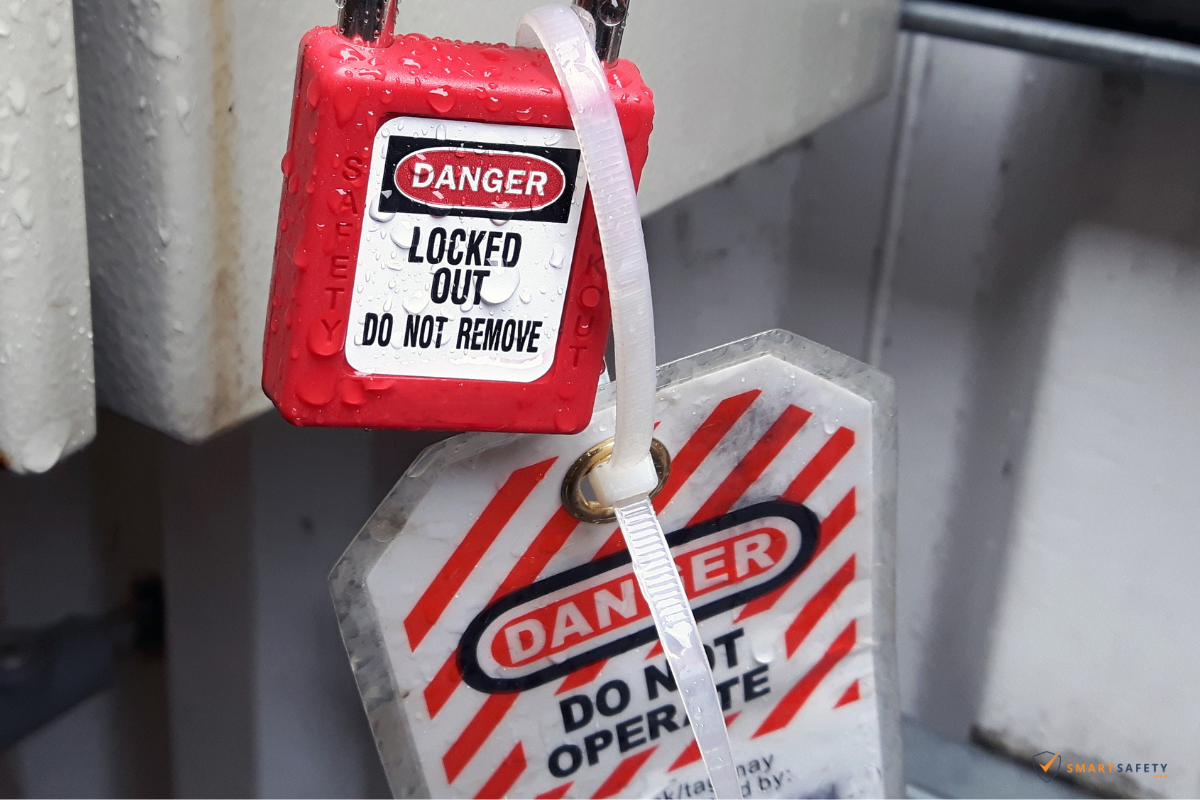
Every year, hundreds of workers suffer serious injuries—or worse—because machinery was accidentally energized during maintenance. The root cause? A missing or improperly applied lockout tagout (LOTO) program. At the heart of any effective energy control procedure are two simple but critical tools: lockout locks and safety tags. These aren’t just accessories—they’re enforcement points in a system designed to protect lives.
Lockout tagout locks and tags are the visible, tangible elements of a broader safety protocol that isolates energy sources and prevents accidental startup. Whether you're managing a manufacturing floor, overseeing facility maintenance, or training new technicians, understanding how these components work—and how to use them correctly—is non-negotiable.
This guide breaks down the essentials of lockout tagout devices, explores real-world applications, identifies common pitfalls, and shows you how to implement a compliant, human-centered system.
What Are Lockout Tagout Locks and Tags?
Lockout locks and tags are physical safety devices used during service or maintenance of machines and equipment to ensure hazardous energy is isolated.
- Lockout locks physically secure energy-isolating devices such as circuit breakers, valves, or disconnect switches.
- Tagout tags are warning labels attached to the lock or energy source, indicating that the equipment is not to be operated until the tag is removed.
Together, they form part of a formal energy control program required by OSHA under standard 29 CFR 1910.147. While tags alone can be used in certain cases, OSHA strongly favors lockout because it provides a physical barrier—not just a warning.
Key Components of a LOTO Device System
| Component | Purpose | Example |
|---|---|---|
| Hasp or Lockout Hasp | Allows multiple workers to apply their personal locks | Steel clamp with multiple lock points |
| Padlock | Secures the energy-isolating device | Keyed-alike or keyed-different safety padlocks |
| Valve Lockout | Blocks valve handles from being turned | PVC or steel lockout for ball valves |
| Circuit Breaker Lockout | Prevents breaker from being switched on | Plastic shroud that fits over breaker handle |
| Tag | Communicates danger and accountability | Red-and-white tag with space for name, date, reason |
These tools are often color-coded and personalized to individual employees—ensuring that only the person who applied the lock can remove it.
Why Lockout Locks Are More Reliable Than Tags Alone
While both locks and tags are required elements in a LOTO system, locks provide physical control, while tags provide communication.
Imagine a maintenance technician working inside a conveyor system. If only a tag is applied, there’s nothing stopping someone else from removing it and restarting the machine—either unknowingly or out of urgency. But a lock physically prevents access to the energy source.
OSHA acknowledges this difference. According to the standard: - Tagout systems are acceptable only if the tag provides "employee protection equivalent to lockout." - In most industrial environments, only lockout is considered fully compliant.

Common weaknesses of tag-only systems include: - Tags can be ignored or damaged - No physical barrier to re-energizing - Higher risk of miscommunication during shift changes
Realistically, tags without locks are a compliance risk. They may suffice for low-energy systems (like office equipment), but not for machinery with electrical, pneumatic, hydraulic, or mechanical energy sources.
Common Mistakes That Undermine LOTO Effectiveness
Even companies with formal programs often fall short in execution. These recurring errors compromise safety and invite regulatory scrutiny:
1. Using Personal Locks for Non-Personal Tasks An electrician uses his personal lock to secure a machine while another worker performs mechanical repairs. This violates the "one employee, one lock" rule—because only the person who applied the lock can remove it.
Fix: Each worker must apply their own lock during group maintenance.
2. Blank or Incomplete Tags A tag missing the worker’s name, time, or reason for lockout is meaningless. It fails to communicate accountability.
Fix: Enforce strict tag completion. Use pre-printed fields for name, department, and expected completion time.
3. Using Household Locks Instead of Safety Locks A blue padlock from a hardware store might fit, but it lacks durability, visibility, and standardization.
Fix: Use safety padlocks made of non-conductive materials, with high-visibility colors (like red or yellow), and clearly labeled "Danger – Do Not Operate."
4. Not Controlling Stored Energy Locking out the power switch doesn’t address residual energy. Springs, elevated parts, or pressurized lines can still release energy and cause injury.
Fix: Include bleed-off procedures in your LOTO steps—depressurize, drain, block, or ground as needed.
5. Skipping Periodic Inspections OSHA requires annual audits of LOTO procedures. Many companies complete the paperwork but skip actual observation.
Fix: Conduct live audits where a safety officer watches a full lockout sequence and verifies each step.
How to Choose the Right LOTO Locks and Tags
Selecting the right equipment isn't about cost or convenience—it’s about durability, clarity, and employee buy-in.
Criteria for Selecting LOTO Locks
- Material: Use non-conductive, weather-resistant materials (e.g., nylon-coated steel or reinforced polymer).
- Shackle Size: Choose based on application—long shackles for valve stems, short ones for breaker handles.
- Key Control: Decide between keyed-alike (for teams) vs. keyed-different (for individual control).
- Color Coding: Assign colors by department or energy type (e.g., red for electrical, blue for pneumatic).
- Personalization: Engrave or label locks with employee names to enforce ownership.
Criteria for Safety Tags
- Durability: Must resist tearing, moisture, and fading.
- Clarity: Use bold print, hazard symbols, and multilingual warnings if needed.
- Fields: Include sections for name, date, time, and reason.
- Attachment: Use non-removable wire or plastic ties—never string or tape.
A well-designed tag should be readable from two feet away and survive a full shift in harsh conditions.

Real-World LOTO Applications Across Industries
Manufacturing Plant: Hydraulic Press Maintenance A technician services a 50-ton stamping press. The LOTO sequence includes: 1. Shutting off the main disconnect. 2. Applying a personal padlock and hasp. 3. Attaching a filled-out tag. 4. Releasing hydraulic pressure. 5. Blocking the ram with safety pins.
Without the lock, someone could re-energize the system; without the tag, no one would know who’s working on it.
Food Processing Facility: Conveyor Cleaning During daily sanitation, workers clean a high-speed conveyor. LOTO involves: - Locking out the motor starter. - Using a group lockout box where each cleaner applies their lock. - Tagging with shift supervisor details.
This prevents accidental activation during cleaning—a common injury scenario.
HVAC Technician: Rooftop Unit Repair A contractor locks out a rooftop HVAC unit. Since it’s temporary, they use a portable breaker lockout and a tag with contact info. They also secure ladder access to prevent others from reaching the unit.
Top 5 Lockout Tagout Lock and Tag Kits
Choosing a comprehensive kit saves time and ensures consistency. Here are five reliable options:
| Product | Key Features | Best For |
|---|---|---|
| Brady LOTO Kit 11 | 20+ components including locks, tags, hasps, and breaker lockouts | General industrial use |
| Grainger Master Lock Kit | Durable steel padlocks, valve lockouts, and printed tags | Maintenance teams |
| Master Lock 1499KIT | Portable, weather-resistant case with 10-user capability | Field service crews |
| Honeywell LOTO-50 | Includes group lockout stations and training materials | Large facilities |
| Seton 69600-KIT | Budget-friendly, ANSI-compliant tags and plastic locks | Small businesses |
These kits vary in scale and specialization, but all support OSHA compliance when used correctly. Always verify that components match your equipment types.
Integrating LOTO Into Your Safety Culture
The best locks and tags won’t work if employees see them as bureaucracy.
Start by training with real equipment—not just PowerPoint. Let workers practice locking out a machine they actually maintain. Use near-miss stories to highlight consequences.
Then, standardize procedures with written, machine-specific LOTO instructions. Post them near equipment. Include photos showing exactly where to apply locks.
Finally, audit and reinforce. Annual reviews should involve both documentation and live observation. Recognize teams that maintain perfect LOTO records.
When workers understand that LOTO isn’t about rules—it’s about going home safe—the system gains real traction.
Closing: Make LOTO a Habit, Not a Hurdle
Lockout tagout locks and tags are more than compliance tools—they’re life-saving interventions. The cost of a padlock is negligible compared to the human and financial toll of an avoidable accident.
Start by auditing your current LOTO practices. Are locks being used consistently? Are tags complete? Are stored energy sources addressed?
Then, equip your team with the right tools, train them on real machines, and build accountability into every maintenance task.
Safety isn’t a checklist. It’s a chain—where every link, including every lock and tag, must hold.
Frequently Asked Questions
What’s the difference between lockout and tagout? Lockout uses physical locks to prevent energy release; tagout uses warning tags. Lockout is required whenever possible.
Can anyone remove a lockout lock? No. Only the employee who applied the lock can remove it, unless under emergency protocols with documented procedures.
Do all machines need LOTO? Any machine or equipment with hazardous energy sources that require servicing or maintenance must have a LOTO procedure.
Are LOTO locks required to be red? Not by law, but red is standard for high visibility and recognition. Many companies use red to signal danger.
Can electronic tags replace physical tags? Not under current OSHA rules. Tags must be affixed to the energy-isolating device and include employee identification.
What happens if a LOTO procedure fails? It can lead to serious injury, OSHA citations, fines, and increased liability. Regular audits reduce failure risk.
How often should LOTO training be refreshed? OSHA requires retraining at least once every 12 months, or when procedures, equipment, or personnel change.
FAQ
What should you look for in Lockout Tagout Locks and Tags: Your Guide to Safer Workplaces? Focus on relevance, practical value, and how well the solution matches real user intent.
Is Lockout Tagout Locks and Tags: Your Guide to Safer Workplaces suitable for beginners? That depends on the workflow, but a clear step-by-step approach usually makes it easier to start.
How do you compare options around Lockout Tagout Locks and Tags: Your Guide to Safer Workplaces? Compare features, trust signals, limitations, pricing, and ease of implementation.
What mistakes should you avoid? Avoid generic choices, weak validation, and decisions based only on marketing claims.
What is the next best step? Shortlist the most relevant options, validate them quickly, and refine from real-world results.